A message from Head of School Stacy Penson
I just finished reading The Future of Smart by Ulcca Joshi Hansen after seeing her Ted Talk with the same name. Hansen’s book is a reminder to me of why we started our elementary level almost ten years ago. As families in our preschool urged us to consider opening a kindergarten class, I was inspired by the book Creative Schools by Sir Ken Robinson. He and other educators described the limitations of schools and education that were very much operating in the same way as they were when they were established during the Industrial Revolution. This system was designed to prepare the children of laborers for factory jobs. Today our education system still runs on most of the same basic assumptions even though the times have changed and our values have changed.
I was also inspired by my own children who learned the concept of “being smart” early in their school experience and measured themselves against a false standard of what smart means. As an educator, I struggled with this tension. I know the unique brilliance of all three of my children, and I also know the game of the education system.
At its core, education is about teaching people how to live and be a productive member of a community. In many schools today, learning is taken out of context, and the richness of knowledge is broken into discrete subjects and then optimized for measurable learning. We have forgotten that human well-being results from “being engaged in meaningful pursuits grounded in a sense of purpose”. (Hansen, 2026) Not only have we not improved academic outcomes with school reform; but we have also made children measurably less happy.

During our pilot kindergarten year at the Innovative School, we partnered with Learner- Centered Collaborative and intentionally grew our school one grade at a time being extremely mindful of what a successful education system in the 21st century society would look like. We know that the individuals we will need in our future are more likely to “emerge from schools that allow them to learn by doing, by engaging with the community around them, and by learners who are encouraged to follow their interests rather than individuals who graduate from schools that compel them to follow preset curriculums directed by educators feeding them information.” (Hansen, 2026)
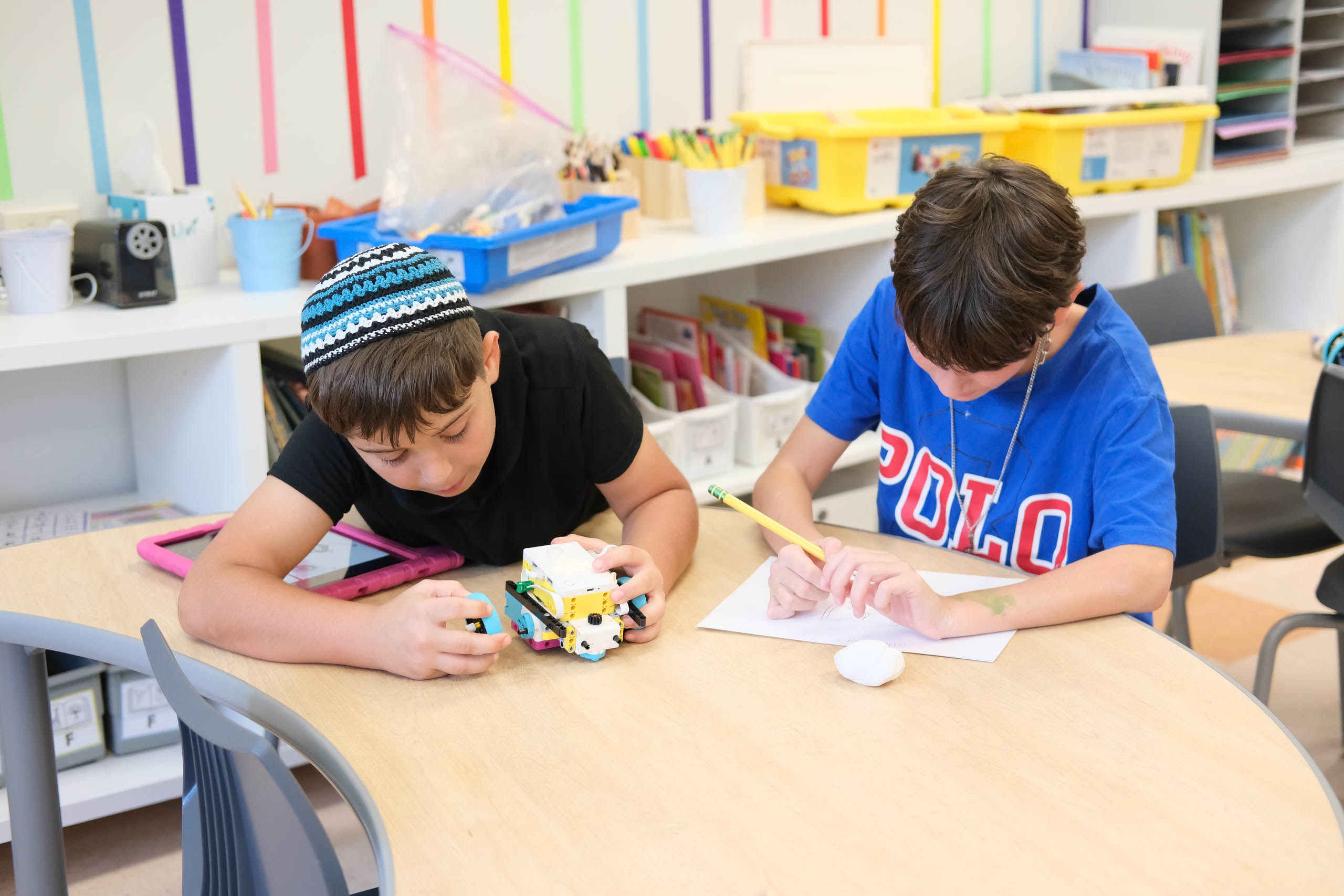
The future of work will demand that learners are “self-motivated, collaborators, adaptable, flexible, and that the conventional system was never designed to cultivate these characteristics.” (Hansen, 2026) The Innovative School’s instructional model is designed for our ever-changing world. Our goal is for children to love learning. We have redefined rigor as creating meaningful academic experiences and providing learning opportunities that promote collaboration, critical thinking, and inquiry. With a Learner- Centered approach always at the forefront, teaching and learning are authentic, and we intentionally design our learning experiences to foster inquiry, communication, and creative expression. Our academically rigorous approach to education cultivates the cognitive, emotional, and interpersonal skills needed to succeed in an ever-changing 21st Century. Through ongoing observation and competency-based assessments, learners demonstrate their academic proficiency and engage in the practice of feedback. Our Learner Portrait defines our graduate outcomes: empowered learners, empathetic citizens, constructive collaborators, effective communicators, and creative problem-solvers.

Shifting the purpose of education and learning to a human-centered approach may feel countercultural. Up until this moment, the safest path was to give your children what worked for you. I would argue that if you put your child on the path that the conventional system gave most of us, it’s like “walking down a sidewalk that’s crumbling towards you. “(Hansen, 2026) The world is changing and what our children need to know and do in the world they will enter as young adults can’t be learned within the current mainstream system of education.
I understand you may be inclined to push aside the feelings of wanting something different for your child and instead take the safest route, but I urge you to look at the game of education in America today and what it considers to be “success,” I invite you to reach out to discuss any of this further and to learn more about our school’s vision, mission and guiding principles and how our Innovative School graduates leave 5th grade prepared for the next chapter in their education as learners, citizens, and community members.
Best,
Stacy Penson
Head of School